
Could Your Cleaning Habits Be Triggering Allergies Without You Knowing?
Apr 09, 2026
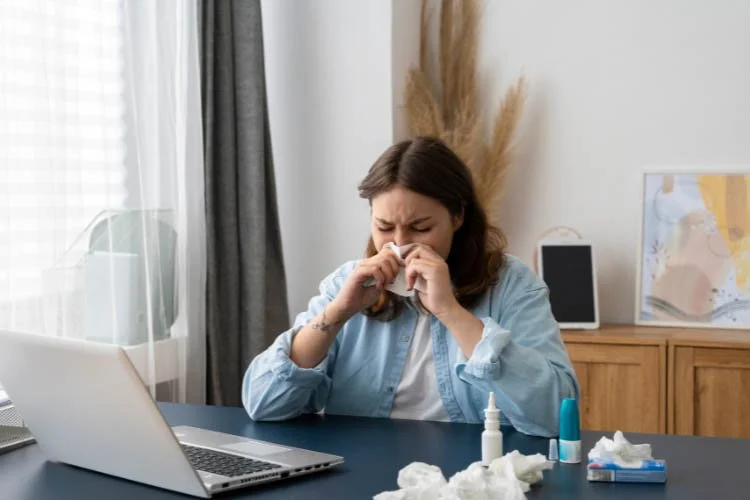
Keeping your home clean is often associated with better health, but surprisingly, certain cleaning habits can unintentionally contribute to allergy symptoms. From the way dust is handled to the products being used, everyday routines may actually be spreading allergens rather than removing them. If you’ve been experiencing sneezing, congestion, or irritation at home despite regular cleaning, your habits might be playing a bigger role than you think. Understanding these hidden triggers can help you create a healthier indoor environment.
1. Dry Dusting Can Spread Allergens Into the Air
Dusting is meant to remove particles, but the method used can make a significant difference. Dry dusting often lifts dust into the air instead of capturing it.
Dust becomes airborne and is easily inhaled.
Allergens like pollen and pet dander spread across surfaces.
Fine particles remain suspended for extended periods.
Surfaces may look clean, but particles quickly resettle.
Using damp cloths or microfiber materials helps trap dust rather than dispersing it.
2. Vacuuming Without Proper Filtration Can Worsen Air Quality
Vacuuming is essential, but not all vacuums are equally effective at removing allergens.
Low-quality filters may release fine dust back into the air.
Carpets can trap allergens that are disturbed during vacuuming.
Re-circulated particles can trigger respiratory irritation.
Infrequent vacuum maintenance reduces efficiency.
High-efficiency filtration systems are key to minimizing airborne allergens during cleaning.
3. Overuse of Harsh Cleaning Products Can Cause Irritation
Many cleaning products contain strong chemicals that can irritate the respiratory system and skin.
Strong fragrances may trigger headaches or sneezing.
Chemical residues can linger on surfaces and in the air.
Mixing products can create harmful fumes.
Frequent exposure may increase sensitivity over time.
Choosing milder, well-ventilated cleaning methods can reduce these risks.
4. Ignoring Soft Surfaces Allows Allergens to Build Up
While hard surfaces are often cleaned regularly, soft furnishings are frequently overlooked.
Carpets, rugs, and upholstery trap dust mites and allergens.
Curtains collect airborne particles over time.
Bedding can harbor dust mites if not washed frequently.
Sitting or lying on these surfaces releases particles into the air.
Deep cleaning these materials is essential for reducing allergen exposure.
5. Cleaning at the Wrong Time Can Trigger Symptoms
The timing of cleaning can also influence how allergens affect you.
Cleaning without ventilation traps particles indoors.
Stirring up dust before sleeping can worsen nighttime symptoms.
Cleaning during peak indoor activity spreads allergens further.
Lack of airflow prevents proper removal of airborne particles.
Well-timed cleaning with proper ventilation can make a noticeable difference.
6. Neglecting Air Vents and Filters Spreads Allergens
Your home’s ventilation system can either improve or worsen air quality depending on maintenance.
Dirty filters circulate dust and allergens throughout the home.
Vents accumulate debris that is released during airflow.
Poor maintenance reduces overall air circulation efficiency.
Hidden buildup continues to impact indoor air quality.
Regular cleaning of vents and replacing filters is crucial for a healthier environment.
7. Inconsistent Cleaning Leads to Allergen Accumulation
Cleaning habits that are irregular or rushed can allow allergens to build up over time.
Dust and debris settle into hard-to-reach areas.
Infrequent deep cleaning allows buildup to worsen.
Surfaces may appear clean but still contain irritants.
Sudden intensive cleaning can release large amounts of allergens at once.
Consistency is key to maintaining a balanced and allergy-friendly home.
8. Professional Cleaning Helps Eliminate Hidden Triggers
Even with the best intentions, household cleaning routines may miss important areas that contribute to allergies.
Professionals use advanced equipment to capture fine particles.
Deep cleaning removes allergens embedded in fabrics and surfaces.
Thorough methods reduce airborne irritants effectively.
Consistent professional care improves overall indoor air quality.
This level of cleaning helps address both visible and invisible triggers.
Conclusion
While regular cleaning is essential for maintaining a healthy home, certain habits can unintentionally make allergies worse. From spreading dust through improper techniques to overlooking hidden allergen sources, small mistakes can have a noticeable impact on indoor comfort. By adopting smarter cleaning practices and focusing on both surface and deep cleaning, homeowners can significantly reduce allergen exposure and create a more comfortable living environment.
If you suspect your cleaning routine may be contributing to allergy symptoms, professional support can help you achieve a deeper, more effective clean. Contact Sweep Cleaning Services Vancouver today to request a quote and experience a cleaner, healthier home designed with your comfort in mind.
Let’s Keep In Touch
