
Electrostatic Spraying vs. Traditional Disinfecting: What’s More Effective?
Jan 19, 2026
Disinfecting has become a major priority for homeowners and businesses alike, especially in high-traffic or shared environments. While many people are familiar with traditional disinfecting methods—spray bottles, wipes, and manual surface cleaning—modern cleaning technology has introduced a more advanced option: electrostatic spraying.
Both methods aim to reduce germs and bacteria, but they work very differently. Understanding how each approach functions can help you determine which one is more effective for maintaining a truly healthy space.
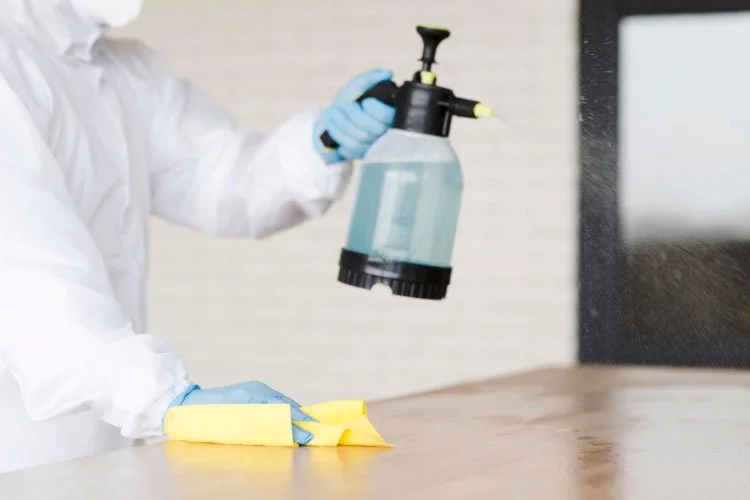
1. What Is Traditional Disinfecting?
Traditional disinfecting relies on manually applying disinfectant solutions to surfaces using cloths, sprays, or wipes. It’s the method most people use during routine cleaning.
Traditional disinfecting typically involves:
Spraying disinfectant directly onto surfaces
Wiping down high-touch areas by hand
Applying product only to visible surfaces
Requiring physical contact with every cleaned area
While this method is effective for basic sanitation, it heavily depends on thoroughness, time, and consistency.
2. Limitations of Traditional Disinfecting
Although traditional disinfecting works well for small areas, it has several limitations when used on its own.
Common challenges include:
Missed surfaces due to human error
Inconsistent coverage on irregular shapes
Limited reach into corners, crevices, and undersides
Reduced effectiveness if surfaces aren’t cleaned beforehand
Time-consuming application for large spaces
In busy households or workplaces, it’s easy for germs to remain on surfaces that aren’t wiped frequently.
3. What Is Electrostatic Spraying?
Electrostatic spraying is a modern disinfecting method that uses electrically charged disinfectant particles. These particles are sprayed as a fine mist and naturally wrap around surfaces, adhering evenly.
How electrostatic spraying works:
The disinfectant droplets carry a positive charge
Surfaces naturally attract the charged mist
The solution coats all sides of objects evenly
Hard-to-reach areas receive consistent coverage
This technology allows for faster, more thorough disinfection than manual methods.
4. Advantages of Electrostatic Spraying
Electrostatic spraying offers several advantages that make it especially effective in homes and commercial spaces.
Key benefits include:
Full surface coverage, including hidden areas
Faster application time
Reduced chance of missed spots
Consistent disinfection across rooms
Less reliance on manual wiping
This makes it ideal for disinfecting high-touch and high-traffic environments efficiently.
5. When Traditional Disinfecting Still Matters
Despite its limitations, traditional disinfecting still plays an important role in cleaning routines.
Traditional methods are best for:
Spot cleaning visible spills
Daily maintenance between deep cleans
Small, targeted areas
Situations requiring physical scrubbing
Professionals often use traditional disinfecting as a preparatory step before advanced methods like electrostatic spraying.
6. Why Professionals Combine Both Methods
The most effective cleaning strategies don’t rely on just one approach. Professional cleaners often combine deep cleaning, traditional disinfecting, and electrostatic spraying to achieve optimal results.
This layered approach ensures:
Dirt and grime are removed first
Disinfectants work more effectively
Germs are eliminated on both visible and hidden surfaces
Longer-lasting cleanliness
By addressing both cleanliness and disinfection, professionals create safer, healthier spaces.
7. Which Method Is More Effective Overall?
While traditional disinfecting is effective for basic sanitation, electrostatic spraying offers superior coverage and consistency. For homes with children, pets, frequent guests, or recent illness, electrostatic spraying provides a higher level of protection.
Electrostatic spraying is especially useful for:
Post-illness disinfection
Seasonal flu prevention
High-traffic households
Shared workspaces or offices
Homes needing comprehensive sanitization
Used together, these methods offer the best defense against bacteria and viruses.
Conclusion
Both traditional disinfecting and electrostatic spraying play important roles in maintaining a healthy environment. Traditional methods help manage everyday hygiene, while electrostatic spraying delivers more thorough and consistent coverage across all surfaces. When combined with deep cleaning, these methods work together to reduce germs, improve air quality, and create safer living spaces.
If you’re looking for professional disinfection that goes beyond surface-level cleaning, contact Sweep Cleaning Services Burnaby today to request a quote. Our team uses advanced disinfecting techniques to help protect your home or workspace with confidence.
Let’s Keep In Touch
