
How Deep Cleaning Helps Reduce Germ Spread in Shared Living Spaces
Apr 02, 2026
Shared living spaces — whether in family homes, apartments, or shared accommodations — naturally experience higher levels of activity, contact, and movement. With multiple people using the same areas, surfaces, and amenities, the risk of germ spread increases significantly. While routine cleaning helps maintain basic tidiness, deep cleaning plays a crucial role in reducing bacteria, viruses, and allergens that can accumulate over time. Understanding how deep cleaning works can help you create a safer, healthier environment for everyone sharing the space.
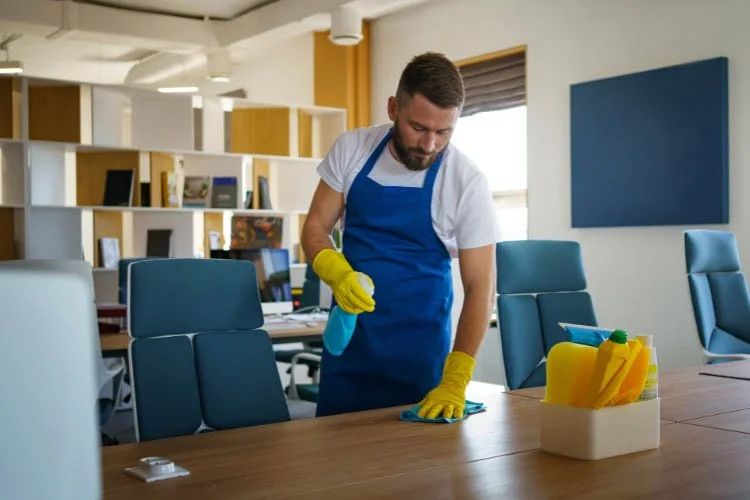
1. High-Touch Surfaces Are Major Germ Hotspots
In shared environments, certain surfaces are touched repeatedly throughout the day, making them key areas for germ transmission.
Door handles, light switches, and remote controls collect bacteria quickly.
Kitchen counters and appliance handles are used frequently by multiple people.
Bathroom fixtures like taps and flush handles are common contamination points.
Shared electronics and furniture surfaces can harbor lingering germs.
Deep cleaning focuses on thoroughly disinfecting these high-touch areas, reducing the chances of germs spreading from one person to another.
2. Deep Cleaning Reaches Beyond Visible Dirt
Standard cleaning often focuses on what can be seen, but germs thrive in areas that are easily overlooked.
Under furniture and behind appliances where dust and bacteria accumulate.
Inside upholstery and carpets that trap contaminants.
Corners, baseboards, and edges where debris settles over time.
Hidden surfaces that are not part of daily cleaning routines.
By targeting these areas, deep cleaning eliminates sources of contamination that would otherwise continue to spread germs.
3. Kitchens and Bathrooms Require Intensive Sanitization
Shared kitchens and bathrooms are especially vulnerable to germ buildup due to moisture, food residue, and frequent use.
Food preparation areas can harbor harmful bacteria if not sanitized properly.
Sinks and drains collect organic matter that encourages microbial growth.
Bathrooms provide ideal conditions for mold, mildew, and bacteria.
Shared usage increases the risk of cross-contamination.
Deep cleaning ensures these spaces are thoroughly sanitized, improving overall hygiene and safety.
4. Airborne Germs Are Reduced Through Dust and Allergen Removal
Germs are not limited to surfaces — they can also spread through the air, attached to dust particles and allergens.
Dust can carry bacteria and irritants throughout the home.
Carpets and soft furnishings release particles when disturbed.
Poor air circulation allows contaminants to linger.
Regular deep cleaning improves overall air quality.
Removing dust and allergens helps minimize airborne transmission and creates a fresher indoor environment.
5. Shared Fabrics and Soft Surfaces Trap Contaminants
Items like sofas, curtains, and bedding are often used by multiple people and can trap germs over time.
Upholstery absorbs sweat, oils, and airborne particles.
Curtains collect dust that is released when moved.
Carpets trap dirt and microorganisms deep within fibers.
Infrequent cleaning allows buildup to persist.
Deep cleaning treatments help remove these embedded contaminants, reducing long-term exposure.
6. Consistency Prevents Germ Buildup Over Time
One of the biggest advantages of deep cleaning is its role in maintaining consistent hygiene standards.
Regular deep cleaning prevents bacteria from accumulating.
Scheduled cleaning reduces the need for reactive sanitation.
Clean environments are easier to maintain with daily routines.
Consistency supports long-term health and comfort.
A proactive approach helps break the cycle of germ spread in shared spaces.
7. Professional Cleaning Ensures Thorough Disinfection
Professional cleaners bring expertise, tools, and techniques that go beyond standard household cleaning.
High-quality products effectively eliminate bacteria and viruses.
Specialized equipment reaches deep into surfaces and fabrics.
Systematic cleaning ensures no area is overlooked.
Professional methods improve both hygiene and overall cleanliness.
This level of thoroughness is especially important in shared living environments where maintaining hygiene is critical.
Conclusion
Shared living spaces naturally increase the risk of germ spread, but deep cleaning provides a powerful solution for maintaining a healthier environment. By targeting high-touch surfaces, hidden areas, and shared spaces like kitchens and bathrooms, deep cleaning reduces contamination and improves overall hygiene. Combined with regular maintenance, it creates a safer and more comfortable living space for everyone.
If you want to ensure your shared living environment stays clean, healthy, and well-maintained, professional deep cleaning can make a meaningful difference. Contact Sweep Cleaning Services Vancouver today to request a quote and experience a higher standard of cleanliness that helps protect everyone in your home.
Let’s Keep In Touch
