
Apr 27, 2026
At first, it’s just a few crumbs, a light layer of dust, or a small spill you plan to clean “later.” These micro-messes feel harmless and easy to ignore in the moment. But over time, they quietly build up, spread, and turn into larger cleaning challenges that require significantly more time and effort to fix. What most homeowners don’t realize is that it’s not the big messes that create the most problems — it’s the small ones that go unchecked. Understanding how this transformation happens can help you stay ahead of it.
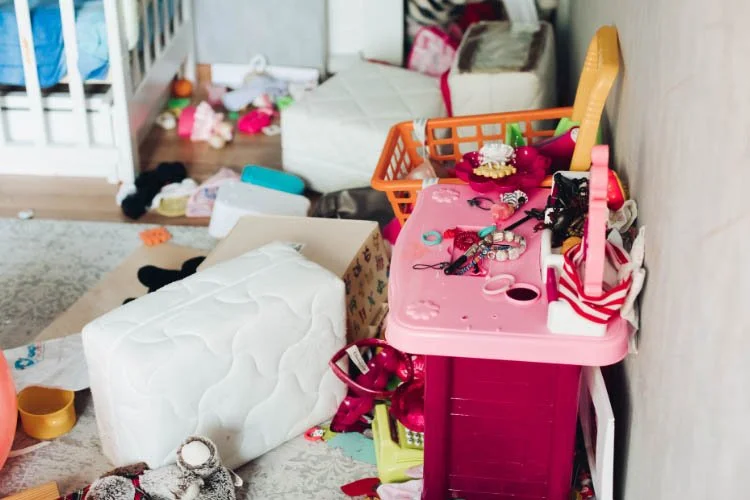
1. Small Messes Get Ignored and Delayed
Micro-messes rarely feel urgent, which is why they’re often postponed.
A few crumbs or spills don’t seem worth immediate attention.
Dust buildup is not always visible at first.
Items left out temporarily become part of the space.
Quick cleanups are delayed due to busy schedules.
This delay is where the cycle begins — small messes start to settle and become harder to remove.
2. Buildup Becomes Harder to Remove Over Time
When messes sit too long, they change in texture and behavior.
Spills dry and turn sticky or stained.
Dust layers thicken and cling to surfaces.
Dirt gets embedded into carpets and upholstery.
Grease hardens on kitchen surfaces.
What could have been wiped away in seconds now requires scrubbing and stronger cleaning methods.
3. Micro-Messes Attract More Dirt and Debris
One small mess rarely stays isolated — it creates conditions for more buildup.
Sticky areas attract dust and particles quickly.
Crumbs and debris spread with movement.
Clutter creates more surfaces for dust to settle.
Residue encourages further accumulation.
This creates a chain reaction where mess multiplies faster than expected.
4. Daily Activity Spreads the Mess Around
Normal household movement can unintentionally expand the problem.
Foot traffic carries dirt across floors and rooms.
Airflow spreads dust from one surface to another.
Touching surfaces transfers oils and particles.
Cleaning one area improperly can move dirt elsewhere.
Instead of being removed, mess gets redistributed throughout the home.
5. Hidden Areas Start Storing the Buildup
As mess spreads, it settles into places that are rarely cleaned.
Under furniture and appliances collects debris.
Corners, edges, and baseboards trap dust.
Upholstery and fabrics hold embedded particles.
Vents and hard-to-reach areas accumulate buildup.
These hidden spots act as constant sources of recontamination.
6. Cleaning Becomes Overwhelming and Time-Consuming
As micro-messes grow, cleaning becomes a much bigger task.
More effort is needed to remove stubborn buildup.
Multiple areas require attention at once.
Cleaning sessions take longer and feel exhausting.
Results don’t last as long due to deeper accumulation.
What started as small, manageable tasks turns into a major cleaning effort.
7. Professional Cleaning Helps Reset Your Home
When buildup reaches a certain point, professional cleaning can break the cycle.
Deep cleaning removes embedded dirt and residue.
Hidden areas are thoroughly addressed.
Proper techniques restore surfaces effectively.
Regular maintenance prevents future buildup.
Professional support helps bring your home back to a clean, manageable state.
Conclusion
Micro-messes may seem insignificant in the moment, but they have a powerful way of building into major cleaning problems over time. From attracting more dirt to spreading through daily activity and settling into hidden areas, these small issues can quickly escalate. Staying consistent and addressing messes early is key to maintaining a clean and comfortable home.
If your home feels like it’s gotten ahead of your cleaning routine, professional help can make all the difference. Contact Sweep Cleaning Services Vancouver today to request a quote and enjoy a cleaner, more manageable living space without the stress.
Let’s Keep In Touch
