
The Shocking Truth About Indoor Air Pollution — and How Deep Cleaning Fixes It
Jan 01, 2026
Many homeowners focus on keeping surfaces clean, but few realize that the air inside their homes can be more polluted than the air outside. Indoor air pollution is a silent problem caused by dust, allergens, mold spores, pet dander, and everyday household contaminants that build up over time. Because these pollutants are often invisible, they’re easy to ignore—until they start affecting your health.
Deep cleaning plays a critical role in improving indoor air quality. Unlike routine cleaning, which only tackles visible messes, deep cleaning targets the hidden sources of pollution that circulate through your home every day.
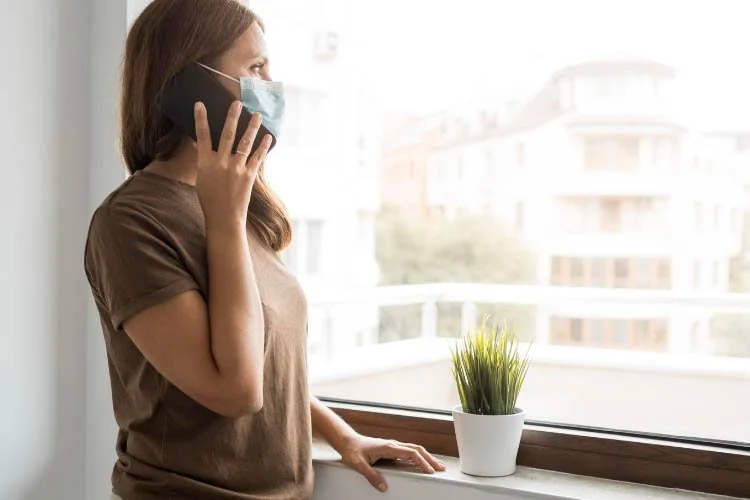
1. What Causes Indoor Air Pollution in Homes?
Indoor air pollution doesn’t come from one source—it’s the result of many small contributors that accumulate over time.
Common indoor air pollutants include:
Dust mites and dust particles
Pet dander and hair
Mold and mildew spores
Cooking grease and smoke residue
Cleaning product residues
Pollen tracked in from outdoors
Dead skin cells trapped in fabrics
These contaminants settle into carpets, furniture, vents, and hard-to-reach spaces, where they continuously re-enter the air you breathe.
2. Why Regular Cleaning Isn’t Enough
Surface-level cleaning improves appearance, but it doesn’t address the deeper problem. Vacuuming without HEPA filtration, quick dusting, and wiping visible surfaces often push pollutants into the air rather than removing them.
Regular cleaning often misses:
Dust embedded deep in carpets and upholstery
Allergens trapped in mattresses and pillows
Mold growing behind tiles or under sinks
Dirt inside air vents and return grilles
Debris under large furniture and appliances
Without deep cleaning, these pollutants continue circulating, lowering your home’s air quality.
3. How Poor Indoor Air Quality Affects Your Health
Poor air quality can impact everyone in the household, even if symptoms aren’t immediate or obvious.
Common health effects include:
Frequent sneezing or congestion
Chronic coughing or throat irritation
Headaches and fatigue
Worsened asthma or allergies
Difficulty sleeping
Reduced focus and productivity
Children, seniors, pets, and individuals with respiratory conditions are especially vulnerable to airborne pollutants.
4. How Deep Cleaning Improves Indoor Air Quality
Deep cleaning removes the sources of pollution instead of masking symptoms. Professional cleaners use specialized tools and techniques designed to capture and eliminate contaminants.
Deep cleaning improves air quality by:
Using HEPA-filter vacuums to trap microscopic particles
Deep-cleaning carpets and upholstery to remove embedded allergens
Cleaning vents, baseboards, and fan blades
Eliminating mold and mildew from moisture-prone areas
Removing grease buildup that contributes to airborne particles
This process significantly reduces what’s circulating in your air.
5. The Role of Soft Surfaces in Air Pollution
Carpets, curtains, sofas, and mattresses act like air filters—but without regular deep cleaning, they become saturated with pollutants.
Deep cleaning soft surfaces helps:
Remove dust mites and allergens
Eliminate trapped pet odors and dander
Reduce bacteria and skin particles
Improve overall freshness of the home
Once these pollutants are removed, the air immediately feels cleaner and easier to breathe.
6. Why Vent and High-Level Cleaning Matters
Air vents, ceiling fans, and high shelves are often ignored during routine cleaning, yet they play a major role in air circulation.
Professional deep cleaning targets:
Dust-lined vents and duct openings
Fan blades that spread particles through rooms
High ledges where dust accumulates unnoticed
Cleaning these areas prevents pollutants from being redistributed throughout your home.
7. Long-Term Benefits of Better Indoor Air Quality
Improving indoor air quality doesn’t just reduce dust—it enhances your overall quality of life.
Benefits include:
Fewer allergy flare-ups
Better sleep
Reduced illness
Increased energy levels
A fresher-smelling home
Lower long-term cleaning maintenance
Deep cleaning creates a healthier environment that lasts longer between cleanings.
Conclusion
Indoor air pollution is one of the most overlooked threats to home health, yet it affects every breath you take. Dust, allergens, mold spores, and hidden contaminants quietly build up over time, lowering air quality and impacting your well-being. Deep cleaning removes these pollutants at the source, creating a cleaner, healthier home from the inside out.
If you’re ready to improve your home’s air quality and protect your family’s health, contact Sweep Cleaning Services Burnaby today to request a quote. Our professional deep cleaning services are designed to eliminate hidden pollutants and help you breathe easier every day.
Let’s Keep In Touch
