
What Your Cleaning Routine Says About Your Home’s Health
Mar 26, 2026
A clean home is often associated with appearance, but it goes far beyond what meets the eye. Your cleaning routine can reveal a great deal about your home’s overall health — including air quality, hygiene levels, and even how well your living space supports your well-being. Many homeowners focus on visible tidiness, but true home health depends on consistency, depth, and attention to often-overlooked areas. By understanding what your habits indicate, you can make smarter choices to maintain a healthier and more comfortable environment.
1. Inconsistent Cleaning Can Lead to Hidden Buildup
If cleaning only happens occasionally or when things look visibly dirty, it often means deeper issues are developing beneath the surface.
Dust and allergens accumulate in carpets, upholstery, and corners.
Bacteria may build up in kitchens and bathrooms over time.
Neglected areas like baseboards and vents continue to collect debris.
Irregular cleaning allows grime to become harder to remove.
A home may appear clean at a glance, but inconsistent routines can compromise indoor hygiene over time.
2. Surface Cleaning vs. Deep Cleaning Habits
Your approach to cleaning can indicate whether your home is truly healthy or just visually tidy. Surface-level cleaning addresses immediate mess, but deeper cleaning targets long-term buildup.
Wiping surfaces without disinfecting may leave bacteria behind.
Vacuuming without proper filtration may not remove fine dust.
Ignoring hidden areas allows contaminants to spread gradually.
Deep cleaning helps reset the overall condition of your home.
A balanced routine that includes both surface and deep cleaning is essential for maintaining a healthy living space.
3. Dust Levels Reflect Indoor Air Quality
Frequent dust buildup is often a sign that your home’s air quality needs attention. Dust is not just dirt — it can contain allergens, skin particles, and pollutants.
Rapid dust accumulation may indicate poor ventilation.
HVAC systems can circulate dust if not properly maintained.
Upholstery and fabrics may trap and release particles.
High dust levels can affect breathing comfort and overall wellness.
A consistent cleaning routine that targets dust sources can significantly improve indoor air quality.
4. Kitchen and Bathroom Cleaning Reveal Hygiene Standards
The way you clean high-use areas like kitchens and bathrooms says a lot about your home’s overall hygiene.
Infrequent cleaning can lead to bacterial growth on surfaces.
Moist environments encourage mold and mildew development.
Food preparation areas require regular sanitization.
Neglected sinks, drains, and fixtures may develop odors.
Maintaining strict cleaning habits in these areas is key to protecting household health.
5. Clutter Levels Impact Cleanliness and Stress
A cluttered home is not just harder to clean — it can also affect how effectively your cleaning routine works.
Clutter traps dust and makes surfaces difficult to access.
Overfilled spaces reduce airflow and increase dust buildup.
Disorganization leads to inconsistent cleaning habits.
A tidy environment supports better mental clarity and comfort.
Reducing clutter makes it easier to maintain both cleanliness and a healthier atmosphere.
6. Cleaning Frequency Reflects Preventive Care
How often you clean can indicate whether you are preventing problems or simply reacting to them.
Regular maintenance prevents dirt from becoming deeply embedded.
Scheduled routines keep all areas consistently clean.
Preventive care reduces the need for intensive deep cleaning.
A proactive approach supports long-term home health.
Homes that are cleaned regularly tend to feel fresher, more comfortable, and easier to maintain.
7. Overlooked Areas Can Affect Overall Home Health
Even with a solid routine, certain areas are often missed — and these can have a significant impact on cleanliness.
Air vents and filters can spread dust if not cleaned.
Behind furniture and appliances often collects hidden debris.
Curtains and upholstery trap allergens over time.
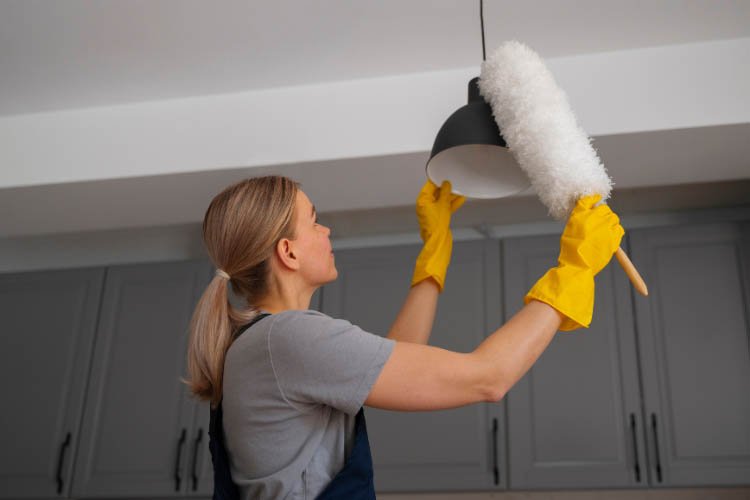
Light fixtures and ceiling fans can release dust into the air.
Addressing these overlooked spots is essential for a truly healthy home environment.
8. Professional Cleaning Completes the Picture
While regular routines are important, professional cleaning services help ensure that no area is left untreated.
Experts use advanced tools to remove deep-seated dirt and allergens.
Comprehensive cleaning targets both visible and hidden buildup.
Professional methods improve overall hygiene and air quality.
Consistent service supports long-term home health.
Combining personal cleaning habits with professional care creates the most effective approach to maintaining a healthy home.
Conclusion
Your cleaning routine is more than just a set of tasks — it is a reflection of your home’s overall health. From dust levels and air quality to hygiene in key areas and consistency in maintenance, every aspect of your routine contributes to how clean and comfortable your living space truly is. By focusing on preventive care, balanced cleaning methods, and attention to overlooked areas, homeowners can create an environment that supports both physical well-being and peace of mind.
If you want to take your home’s cleanliness and health to the next level, professional support can make a meaningful difference. Contact Sweep Cleaning Services Vancouver today to request a quote and discover how expert cleaning can help you maintain a healthier, fresher home with ease.
Let’s Keep In Touch
