
Are You Cleaning Too Much — or Not Enough? Experts Reveal the Ideal Frequency
Dec 08, 2025
Many people struggle to know how often they really need to clean their homes. Some over-clean to the point of exhaustion, scrubbing daily and sanitizing every surface, while others wait until the mess becomes overwhelming. Yet both extremes can cause unexpected problems. Cleaning too frequently can damage surfaces or irritate allergies, while cleaning too rarely leads to bacteria buildup, odors, and declining air quality.
The ideal cleaning schedule isn’t the same for everyone — it depends on your lifestyle, home size, number of residents, and even the presence of pets or children. Professional cleaners use industry guidelines and expert insights to determine the right rhythm for each household. Understanding these recommendations can help you maintain a healthy, balanced, and manageable cleaning routine.
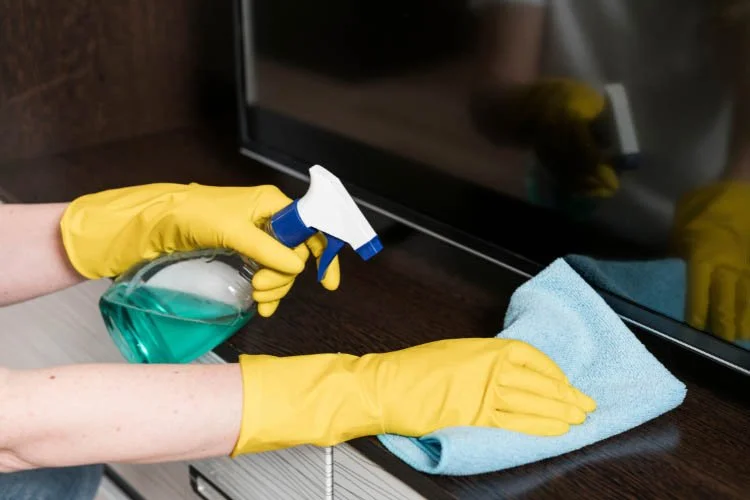
1. Daily Tasks: The Essential Surface-Level Cleaning
You don’t need to deep clean your home every day, but certain small tasks prevent dirt from building up too quickly.
Experts recommend daily attention to:
Kitchen counters and stovetops
Bathroom sinks and faucets
Dining tables and food preparation areas
Quick clutter pickup in shared spaces
Spot-sweeping high-traffic zones
These daily tasks take just minutes but help maintain hygiene and prevent stains or spills from becoming bigger issues.
2. Weekly Cleaning: The Foundation of a Healthy Home
Weekly cleaning focuses on more thorough sanitizing to keep bacteria, dust, and allergens under control. Neglecting weekly tasks often leads to worsening indoor air quality and faster buildup of grime.
Weekly cleaning should include:
Vacuuming and mopping all floors
Scrubbing bathroom fixtures and showers
Dusting furniture, shelves, and electronics
Wiping down appliances
Changing bed sheets
Cleaning mirrors, windowsills, and baseboards
For larger homes or busy families, weekly maintenance may require more effort — which is why many homeowners rely on recurring professional cleaning services.
3. Monthly Deep Cleaning: Where Most People Fall Behind
Monthly cleaning tasks often get forgotten because they’re less visible — but skipping them can lead to long-term damage or hidden dirt accumulation.
A monthly deep clean should include:
Cleaning vents and air returns
Dusting ceiling fans, blinds, and high shelves
Scrubbing inside appliances (microwave, fridge, oven)
Washing shower curtains and bath mats
Vacuuming under furniture and cushions
These tasks target hidden areas where dust, germs, and allergens accumulate unnoticed.
4. Seasonal or Quarterly Cleaning: The Professional Standard
Every 3–4 months, your home needs a deeper, more thorough cleaning. This is where most homeowners fall short, simply because these tasks require more time and effort.
Seasonal deep cleaning includes:
Deep carpet and upholstery cleaning
Washing windows inside and out
Cleaning grout and removing hard water stains
Sanitizing mattresses
Decluttering and organizing storage areas
Checking for mold or moisture damage
Professional cleaners typically recommend scheduling a seasonal deep clean to maintain long-term home health and prevent costly repairs.
5. Annual Cleaning: The Areas Almost Everyone Forgets
Once a year, your home needs maintenance-level cleaning to refresh areas rarely touched.
Annual cleaning tasks include:
Cleaning behind major appliances
Washing walls and ceilings
Clearing out garage or basement dust
Deep cleaning outdoor furniture or decks
Shampooing carpets
Full home organization and decluttering
Annual cleaning resets your home’s overall condition and contributes to healthier indoor air for the year ahead.
6. When Cleaning Too Much Becomes a Problem
Surprisingly, cleaning too often can be harmful. Over-sanitizing surfaces may lead to:
Damaged wood, stone, or fabric surfaces
Chemical residue buildup
Triggered allergies or respiratory irritation
Excessive wear on furniture or flooring
Experts suggest using gentle products and focusing on consistent, not constant, routines.
7. When Cleaning Too Little Starts Affecting Your Health
If you’re experiencing persistent dust, odors, illness, or visible mold, it’s a sign your cleaning frequency is too low. Irregular cleaning contributes to:
Poor air quality
Increased allergens
Pest infestations
Stained or damaged surfaces
Professional cleaners help address these issues quickly by restoring your home to a healthy baseline.
Conclusion
Finding the right balance between over-cleaning and under-cleaning is essential for maintaining a home that is both healthy and manageable. Daily tasks keep things tidy, weekly routines maintain hygiene, and deep cleaning prevents long-term damage or hidden buildup. When homeowners struggle to keep up, professional cleaning services offer the perfect solution — ensuring every part of your home stays fresh, safe, and well-maintained.
If you want a personalized cleaning schedule or need expert help maintaining the ideal frequency, contact Sweep Cleaning Services Burnaby today to request a quote. Our team is ready to create a cleaning plan that keeps your home spotless without the stress.
Let’s Keep In Touch
