
What Deep Cleaning Reveals About Your Home’s Air Quality
Dec 04, 2025
Indoor air quality is something many homeowners don’t think about—until they notice allergy symptoms, musty odors, persistent dust, or general discomfort at home. The truth is, the air inside your home can be up to five times more polluted than the air outside. Dust, allergens, mold spores, VOCs, and bacteria circulate through your ventilation system and settle into carpets, furniture, and other soft surfaces.
Deep cleaning is often the first moment when the hidden condition of your home’s air becomes truly visible. By removing layers of dirt and buildup, professional cleaners uncover signs of poor air quality that you may not have noticed, helping you create a cleaner, healthier living environment.
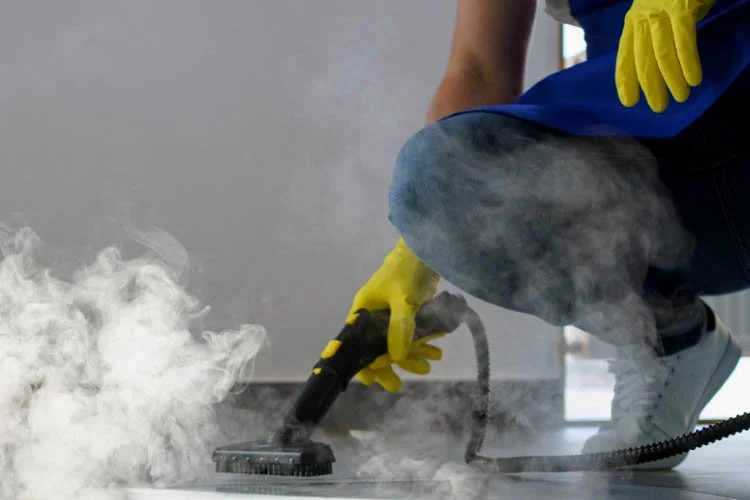
1. Dust Accumulation in Hard-to-Reach Areas
Dust is one of the clearest indicators of poor air quality. While regular cleaning tackles visible surfaces, deep cleaning exposes dust buildup in areas that are often ignored.
These hidden dust zones include:
Behind large appliances
Under beds and heavy furniture
Inside air vents and return ducts
Fans, blinds, and window sills
Lamp shades, baseboards, and crown molding
Excess dust often means your HVAC system is circulating particles throughout your home, decreasing the air quality and triggering allergies or respiratory irritation.
2. Mold and Mildew Growth in Damp Spaces
Deep cleaning often reveals mold in bathrooms, basements, kitchens, and moisture-prone corners. Mold spores thrive in damp environments and can spread quickly through the air.
Common signs discovered during deep cleaning:
Black or green spots on tiles or grout
Musty odors coming from closets or crawl spaces
Damp patches on walls or ceilings
Mold growth around window frames
Condensation or water damage near plumbing
Mold spores directly impact indoor air quality and can cause headaches, coughing, or long-term respiratory problems if left untreated.
3. Pet Dander That Settles Into Carpets and Upholstery
Homes with pets often contain far more airborne allergens than homeowners realize. Pet fur is easy to spot—but pet dander is not. These microscopic particles settle deep into fabrics and circulate through your home.
Deep cleaning can uncover:
Embedded dander in carpets
Hair trapped under furniture
Pet odors trapped in upholstery
Dander stuck in air filters or vents
Improving air quality in a home with pets often requires a level of professional cleaning that goes beyond vacuuming or wiping surfaces.
4. Bacteria and Allergens in High-Touch Areas
Deep cleaning also targets places where bacteria accumulate quietly. These surfaces collect contaminants that become airborne when touched or disturbed.
High-touch areas that impact air quality include:
Light switches and remote controls
Doorknobs and cabinet handles
Countertops and kitchen appliances
Bathroom fixtures
When these areas aren’t sanitized regularly, airborne bacteria circulate more easily through shared spaces.
5. Dirty Carpets and Soft Surfaces That Trap Pollutants
Carpets, rugs, and upholstered furniture are magnets for airborne contaminants. Even when they look clean, they accumulate fine particles that affect your home’s air.
Deep cleaning reveals:
Dust mite colonies
Pollen carried in from outside
Food particles invisible to the eye
Stains that hold bacteria
Embedded dirt in the padding beneath carpets
Professionals use extraction methods and HEPA vacuums to remove pollutants lodged deep inside these surfaces.
6. HVAC Filters and Vents That Haven’t Been Cleaned in Months
Your home’s air quality is directly connected to your HVAC system. During deep cleaning, professionals often find clogged vents, dusty filters, and buildup around ducts.
These issues contribute to:
Poor airflow
Circulation of contaminated air
Increased allergens
More frequent illness or irritation
If your vents or filters are neglected, no amount of surface cleaning can truly improve your indoor air.
Conclusion
Deep cleaning reveals more than just dirt — it shines a light on the true quality of the air you breathe every day. From hidden mold to embedded dust and polluted HVAC systems, the signs uncovered during a deep clean provide valuable insights into your home’s overall health. Addressing these issues leads to fresher air, fewer allergens, and a more comfortable living environment for your family.
If you’re concerned about the air quality in your home, a professional deep clean is the first step toward a healthier space. Contact Sweep Cleaning Services Burnaby today to request a quote, and let our team help you breathe easier with a cleaner, more purified home.
Let’s Keep In Touch
